Kenya Forensics Examiners Mobile Devices Forensics

Mobile Devices Forensics

A few years ago, only a computer could execute the tasks that modern cellphones can now. The situation has changed. Many programs are only supported on mobile devices due to developers’ complete disregard for cross-platform development for desktop PCs. You may use your computer at work and other sporadic times throughout the day, but you don’t always have access to it as you do to your pocket phone.

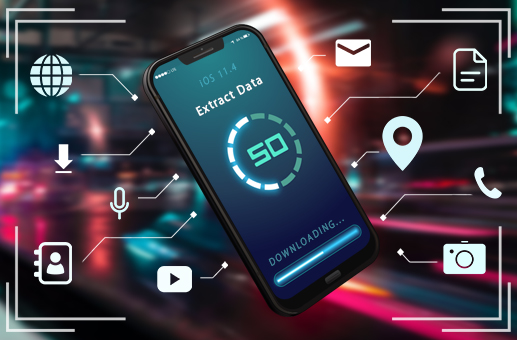
From placing calls and sending texts to exchanging money and keeping private information, cell phones are used for everything. Millions of data records in the form of emails, messages, images, location information, financial information, and dozens of more types are stored on mobile devices. Even if some of this data has been lost, much of it can still be restored.
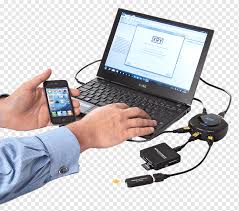
For a con artist, a mobile phone is just another tool in the toolbox, especially the more sophisticated smartphones like the iPhone and other Android-based models.

If devices used to commit a crime against you or your company are found, they may include a plethora of information that can be used to demonstrate the motives or activities of the offender. Blackhawk’s mobile device forensics solution can be useful in this situation.

Similar to PCs, even if the owner has tried to delete the data to avoid detection, the information contained on a mobile phone is frequently accessible. Forensics information regarding these devices is often divided into 4 categories:

Forensics Categories


Mobile SIM Card Forensics

The SIM card for the mobile smartphone. A variety of useful data that can be recovered is stored on the SIM card. A more permanent record of a person’s contacts and phone book entries can be kept on a detachable SIM card, which can be moved between phones. Text messages, including those that have been deleted, as well as the most recent phone numbers called, email addresses, locations where the SIM has been used, and other network data may also be stored. In essence, the Sim can store a substantial quantity of information that could be relevant to an ongoing investigation into financial fraud or another type of crime.

Mobile Memory Card Forensics

Today’s mobile devices can hold hundreds of gigabytes of data on memory cards or inbuilt memory. This memory is used to store data, including spreadsheets with potentially revealing financial information needed in a fraud investigation, photographs captured by the phone’s camera, and data from the device’s applications. The user’s contact lists, calls made, received, and missed, SMS records, and the contents of other applications like calendars and to-do lists may also be included in the baseline data, which is normally saved in the phone’s memory.

Enhanced Mobile Data Forensics

Documents and spreadsheets are two common examples of programs that produce this kind of data on mobile devices. Additionally, records of connectivity, such as Bluetooth and WiFi connections, photos, video, and music, as well as email activity, may be included.

Have a Question About Mobile Device Forensics?

Use this short paragraph to explain your concern with us,and our team will help you fully